Comprehensive Guide to Vehicle Safety Checks


Understanding the Importance of Vehicle Safety Checks
Ensuring your vehicle is safe to drive is crucial for both your safety and the safety of others on the road. Regular vehicle safety checks can help prevent accidents and extend the lifespan of your car. By performing these checks, you can identify potential issues before they become serious problems.

Basic Components of a Vehicle Safety Check
Brakes and Tires
Your brakes and tires are some of the most vital parts of your vehicle. Regularly inspect brake pads for wear and check your tire pressure and tread depth. Properly maintained brakes and tires enhance your vehicle's handling and stopping power, reducing the risk of accidents.
Lights and Signals
All lights and signals must be in working order to ensure visibility and communication with other drivers. This includes headlights, brake lights, turn signals, and hazard lights. Regularly replacing burnt-out bulbs can prevent potential fines and improve safety.

Fluid Levels
Maintaining the correct fluid levels is essential for vehicle performance. Regularly check engine oil, coolant, brake fluid, and windshield washer fluid. Keeping these fluids at the appropriate levels can prevent breakdowns and engine damage.
Advanced Safety Checks
Suspension and Steering
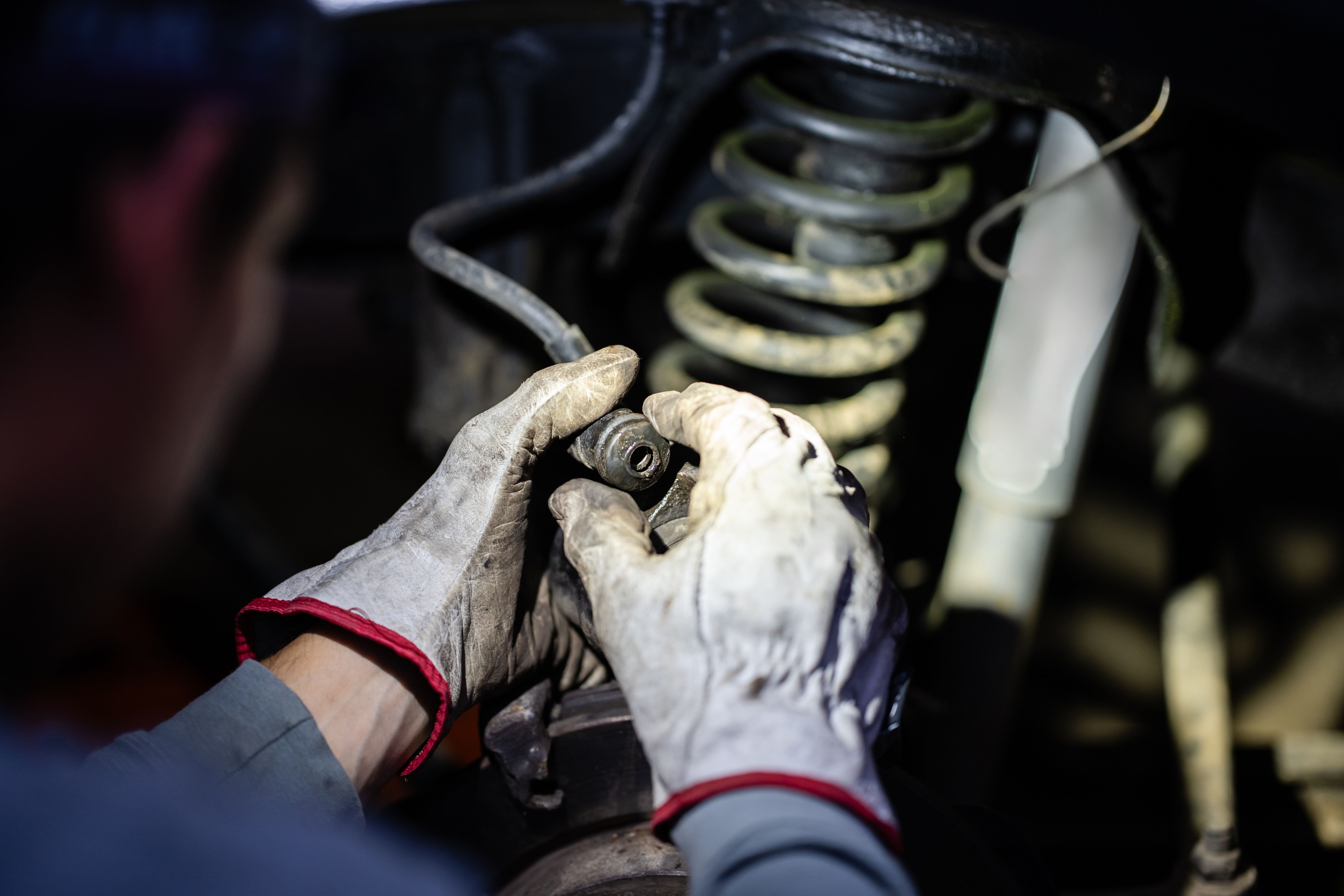
The suspension and steering systems are critical for maintaining control of your vehicle. Inspect these systems for signs of wear, such as unusual noises or vibrations, to ensure a smooth and safe driving experience.
Battery and Electrical System
A reliable battery is essential for starting your vehicle and powering electrical systems. Regularly check the battery for corrosion and ensure the terminals are clean. Also, test the electrical system to prevent unexpected failures.
Checklist for Regular Safety Inspections
To keep your vehicle in top condition, here’s a quick checklist for regular safety inspections:
- Check tire pressure and tread depth.
- Inspect brake pads and rotors.
- Test all lights and signals.
- Examine fluid levels and top up if necessary.
- Assess suspension and steering components.
- Check battery condition and electrical systems.
Professional Inspections
While regular self-checks are beneficial, scheduling professional inspections is equally important. Trained mechanics can identify issues that might be missed during a DIY inspection. Consider professional checks at least once a year or before long trips.
By following this comprehensive guide to vehicle safety checks, you can ensure your car remains safe, efficient, and reliable on the road. Prioritizing safety not only protects you but also contributes to a safer driving environment for everyone.