Comprehensive Guide to Vehicle Safety Regulations in the UK


Introduction to Vehicle Safety Regulations
In the UK, vehicle safety regulations are crucial for ensuring that all vehicles on the road are safe for drivers, passengers, and pedestrians. These regulations are designed to minimize accidents and enhance road safety. Understanding these rules is essential for vehicle owners, manufacturers, and anyone involved in the automotive industry.

Vehicle Approval and Testing
Before a vehicle can be sold in the UK, it must go through a rigorous approval process. This typically involves type approval, which ensures the vehicle meets specific safety and environmental standards. The Vehicle Certification Agency (VCA) conducts these tests.
The testing process includes examining vehicle emissions, crash safety, and overall roadworthiness. Vehicles must pass these tests to receive approval and be legally sold in the UK market.
MOT Tests
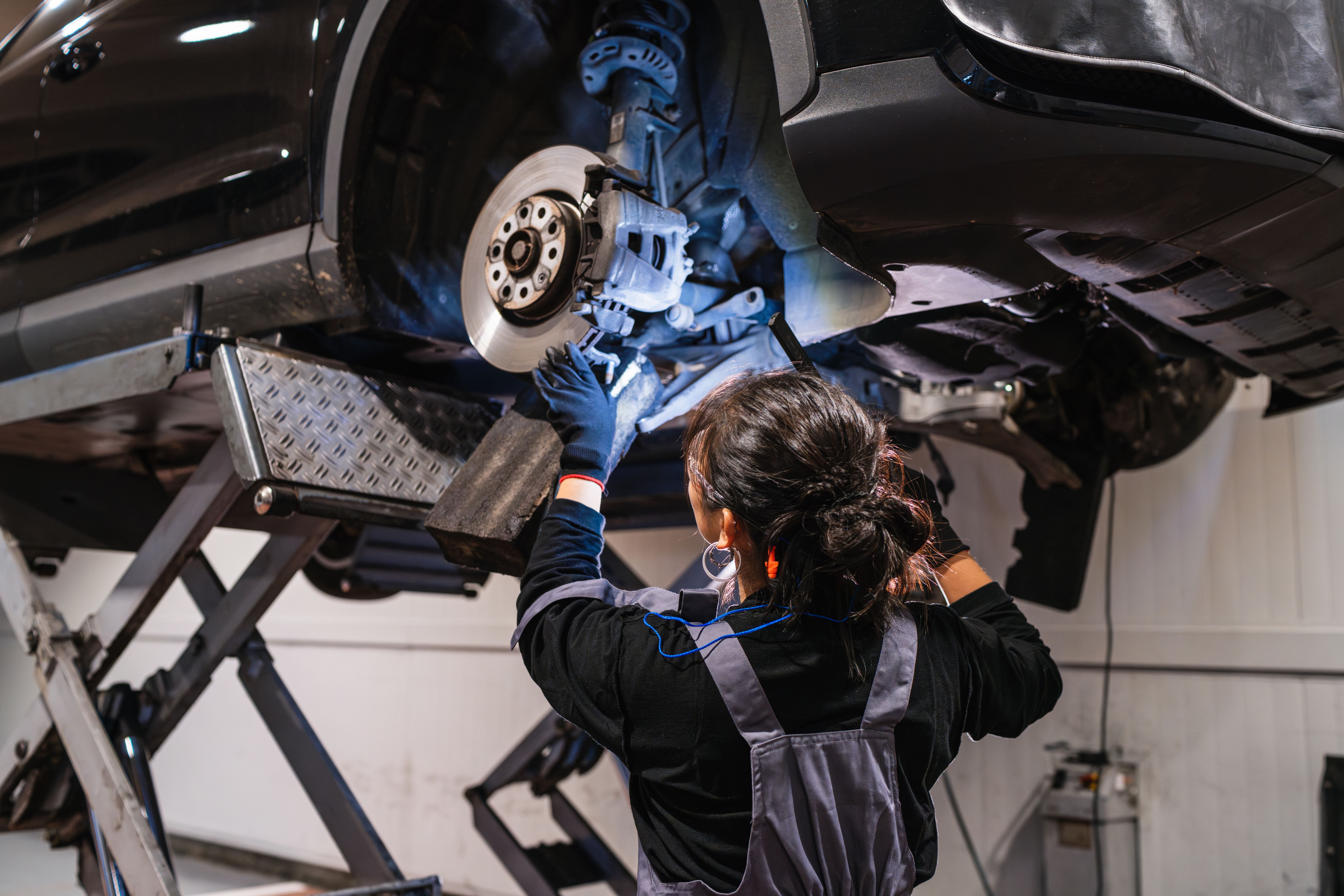
One of the most well-known vehicle safety regulations in the UK is the MOT test. All vehicles over three years old must undergo an annual MOT test to verify their safety, roadworthiness, and emissions standards. This test covers various aspects of the vehicle, including brakes, lights, and exhaust systems.
Safety Features and Requirements
UK regulations also mandate certain safety features in all new vehicles. These include seat belts, airbags, and anti-lock braking systems (ABS). Manufacturers must ensure that these features meet specified safety standards to protect vehicle occupants in the event of an accident.
Additional safety requirements include electronic stability control, lane departure warnings, and tire pressure monitoring systems, which help prevent accidents and improve driver control.
Driver Responsibilities
Vehicle safety isn't solely the responsibility of manufacturers. Drivers also play a crucial role in maintaining road safety. They must ensure their vehicles are regularly serviced and that any defects are promptly addressed.
Drivers are also required to adhere to road safety laws, such as speed limits and seat belt regulations, to ensure the safety of all road users.

Regulations on Modifications
Modifying a vehicle can affect its safety and legality. In the UK, there are specific rules regarding vehicle modifications. These modifications must not compromise the vehicle's safety features or emissions standards.
Common modifications include changes to suspension, exhaust systems, and bodywork. Vehicle owners should be aware of these regulations to avoid penalties and ensure their vehicle remains road legal.
Conclusion
Understanding and adhering to vehicle safety regulations in the UK is vital for everyone, from manufacturers to individual drivers. These regulations are in place to ensure that all vehicles are as safe as possible, reducing the risk of accidents and enhancing the overall safety of UK roads.
By staying informed and compliant with these regulations, we can contribute to a safer driving environment for everyone.