Debunking Common Vehicle Safety Myths


Introduction to Vehicle Safety Myths
When it comes to vehicle safety, misinformation can lead to dangerous misconceptions. Many drivers rely on outdated or incorrect beliefs that could compromise their safety on the road. In this article, we will debunk some of the most common vehicle safety myths to help you stay informed and safe.

Myth 1: Red Cars Get More Tickets
One of the most persistent myths is that red cars are more likely to get pulled over and receive traffic tickets. However, there is no substantial evidence to support this claim. Traffic violations depend on driver behavior, not the color of the vehicle. It's important to focus on following traffic laws rather than worrying about the color of your car.
Myth 2: Bigger Cars Are Always Safer
While it's true that larger vehicles may offer more protection in a collision, they are not inherently safer. Modern safety features, such as airbags and anti-lock brakes, play a crucial role in vehicle safety, regardless of size. Compact cars equipped with advanced safety technology can be just as safe, if not safer, than larger vehicles lacking these features.
Myth 3: Hands-Free Devices Eliminate Distractions
Many drivers believe that using hands-free devices is completely safe. While hands-free devices reduce physical distractions, they do not eliminate cognitive distractions. Your brain can still be distracted by a conversation, affecting your ability to respond to road conditions. It's best to minimize all distractions when driving.

Myth 4: All-Wheel Drive Improves Stopping Power
All-wheel drive (AWD) is often praised for providing better traction, particularly in adverse weather conditions. However, AWD does not improve a vehicle's stopping power. Braking is determined by the braking system and tire condition, not the drivetrain. Always maintain your brakes and tires for optimal stopping performance.
Myth 5: New Cars Don't Require Maintenance
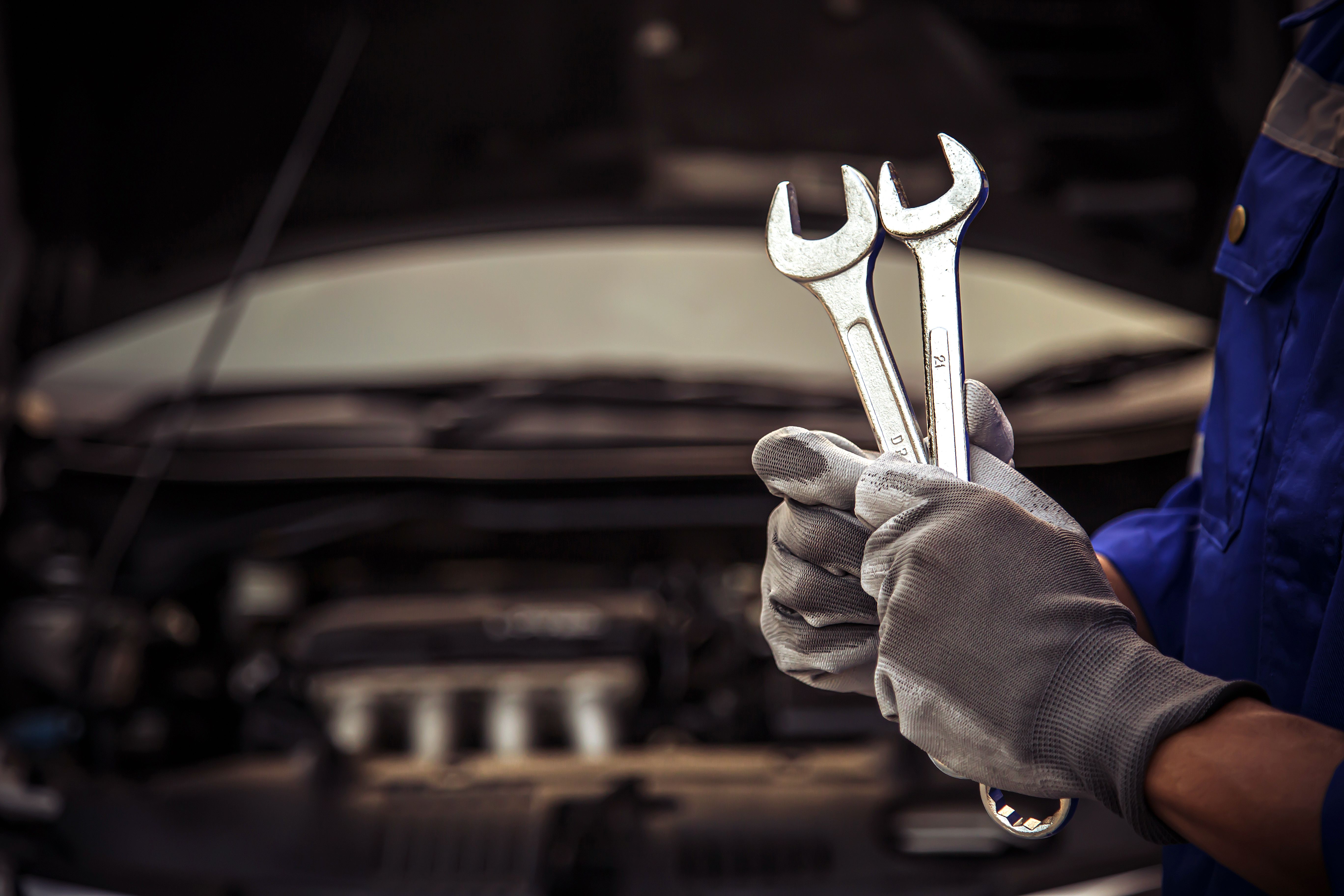
Some drivers assume that new cars can run indefinitely without maintenance. In reality, regular maintenance is essential for all vehicles, regardless of age. Routine oil changes, tire rotations, and brake inspections are crucial to ensure your vehicle remains in peak condition and retains its safety features.
Conclusion: Staying Informed for Safety
Understanding the truth behind these common vehicle safety myths can help you make informed decisions on the road. By prioritizing accurate information and regular vehicle maintenance, you can enhance your driving safety and protect yourself and others. Remember, knowledge is a key component of road safety.